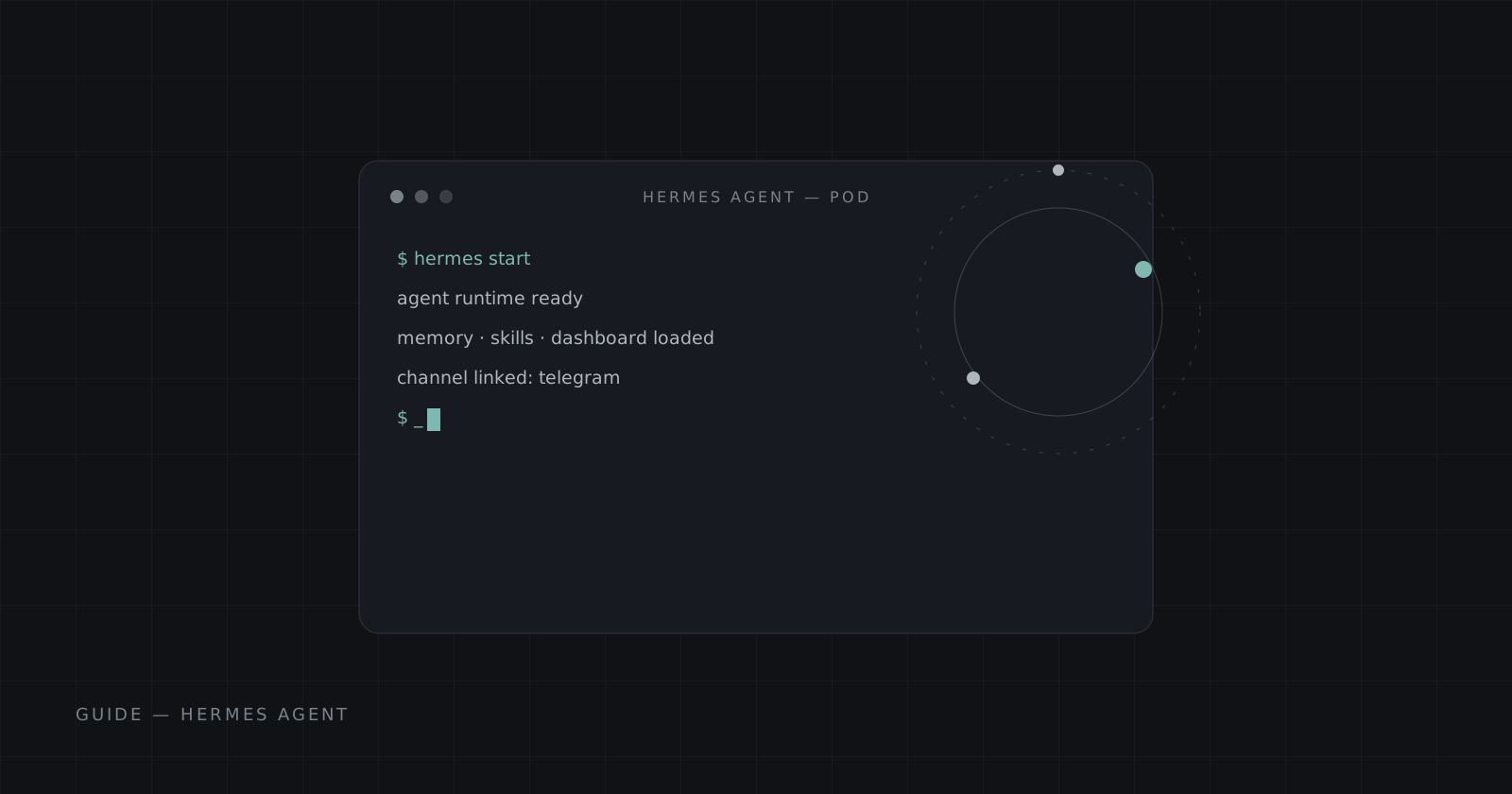
Chat windows reset. You open a tab, paste context, get an answer, close it. An agent is the opposite: a process that stays up, remembers, holds tools, and talks to you where you already are. Hermes Agent is that runtime — the Nous Research agent with its own dashboard, memory, skills, and integrations.
What “always-on” buys you
- Memory — the agent keeps context across sessions instead of starting cold every time
- Skills — tool integrations it can reach for on its own, not just text generation
- Channels — talk to it over Telegram; it lives in your pocket, not a browser tab
- A dashboard — configure the agent, watch it work, check its memory from a web UI
Where it fits
A personal ops agent — drafting replies, watching feeds, running scheduled checks — only works if it never sleeps. That’s the catch most people hit after the demo phase: the agent on a laptop goes offline the moment the lid closes; the agent on a random VPS needs the usual Docker-and-proxy setup before it ever responds to a message.
The boring requirements that matter
An agent runtime wants three things that are annoyingly easy to get wrong by hand: a process that never stops, persistent storage for memory and agent data, and an HTTPS endpoint so channels and the dashboard can reach it. Miss one and the agent forgets, goes silent, or is unreachable.
The Pod card below runs Hermes Agent with all three already handled — dashboard on the Pod’s own Address, persistent workspace for agent memory, Telegram integration ready to configure after login.